Ghost of Yōtei Gameplay Guide – Combat, Exploration & Systems Explained

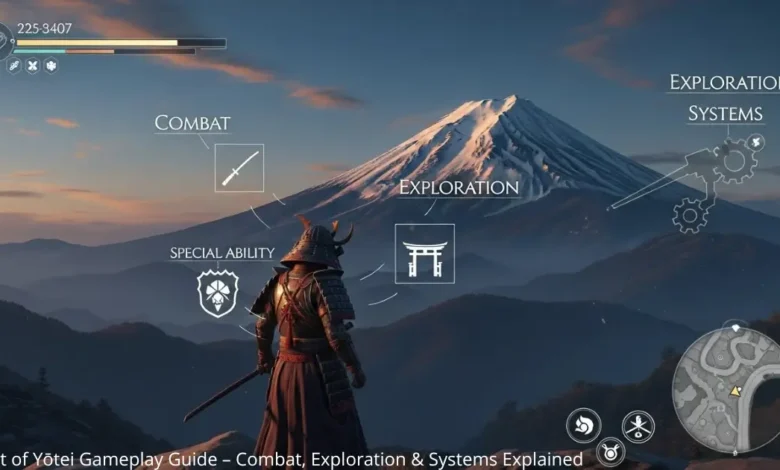
Set in the rugged northern landscapes of feudal Japan, Ghost of Yōtei introduces players to a darker and more introspective samurai experience inspired by Japanese folklore and historical themes. Rather than presenting itself as a traditional sequel, the game appears to focus on refined systems, atmospheric storytelling, and deliberate gameplay design.
This gameplay guide explains what we currently know about combat mechanics, exploration systems, and core gameplay structures, based on official information, previews, and early reveals.
Understanding the Core Gameplay Philosophy
Ghost of Yōtei is built around measured pacing and player awareness. Unlike fast-paced action games that reward constant aggression, this title appears to emphasize:
- Tactical decision-making
- Environmental awareness
- Precision over speed
The gameplay systems are designed to make every encounter feel intentional, whether during combat or exploration.

Read Also : Ghost of Yōtei Review – A New Samurai Experience Worth the Hype?
Combat System Explained
Combat Design and Flow
Combat in Ghost of Yōtei is expected to focus on controlled swordplay, where timing, positioning, and reading enemy behavior play a critical role. Instead of overwhelming players with complex inputs, the system appears designed to reward:
- Well-timed strikes
- Defensive reactions
- Strategic use of abilities
Fights are likely structured to feel tense rather than chaotic, reinforcing the game’s grounded tone.
Weapon Types and Combat Variety
Based on available information, players can expect access to multiple weapon styles, each supporting a different combat approach. These may include:
- Traditional samurai swords for balanced combat
- Longer weapons for crowd control
- Ranged tools for tactical engagement
Weapon choice is expected to influence combat rhythm rather than simply increasing damage output.
Defensive Mechanics
Defense plays a central role in Ghost of Yōtei’s combat system. Core defensive elements are expected to include:
- Blocking to mitigate incoming damage
- Dodging for repositioning and avoidance
- Parrying to create openings for counterattacks
Mastering defensive timing will likely be just as important as offensive execution.
Special Abilities and Advanced Techniques
As players progress, the game is expected to introduce advanced combat abilities that expand tactical options. These abilities may allow players to:
- Break enemy defenses
- Control the flow of combat
- Deal with multiple opponents more effectively
Rather than relying on flashy moves, these systems appear designed to deepen combat strategy.
Exploration System and World Design
Open World Structure
Ghost of Yōtei takes place in a vast, open environment inspired by northern Japan, featuring rural settlements, mountain paths, forests, and isolated locations. Exploration is expected to be organic, encouraging players to:
- Follow visual cues
- Discover points of interest naturally
- Engage with the world at their own pace
The world design favors atmosphere and immersion over cluttered objectives.
Environmental Storytelling
Instead of relying heavily on dialogue or exposition, Ghost of Yōtei uses environmental storytelling to convey its narrative. Players may uncover story elements through:
- Abandoned locations
- Shrines and ritual sites
- Subtle environmental details
This approach supports a more immersive and interpretive experience.
Traversal and Movement
Movement systems appear designed to support exploration without excessive complexity. Expected traversal mechanics include:
- Climbing natural terrain
- Navigating narrow paths and structures
- Using environmental features to reach hidden areas
Traversal complements exploration rather than becoming a separate challenge.
Gameplay Systems and Progression
Character Progression
Ghost of Yōtei is expected to feature a progression system that rewards exploration, combat mastery, and story progression. While full details are not yet confirmed, progression may involve:
- Unlocking new combat techniques
- Enhancing existing abilities
- Customizing playstyle through skill choices
The focus appears to be on meaningful upgrades rather than numerical grinding.
Equipment and Customization
Equipment systems are likely tied closely to gameplay balance rather than excessive loot variety. Players may be able to:
- Improve weapons gradually
- Adjust gear to suit different situations
- Unlock equipment tied to progression milestones
Customization is expected to support playstyle preference without overwhelming the player.
Resource and Item Management
Item management in Ghost of Yōtei appears designed to remain streamlined. Resources are expected to be:
- Useful rather than abundant
- Integrated naturally into exploration
- Tied to progression rather than farming
This reinforces the game’s deliberate pacing.
Supernatural Elements and Gameplay Impact
Japanese folklore plays a significant role in Ghost of Yōtei’s world. Supernatural elements are expected to influence gameplay through:
- Unique enemy encounters
- Thematic abilities or challenges
- Environmental hazards tied to mythological themes
These elements add variety without shifting the game into full fantasy territory.
What Makes Ghost of Yōtei’s Gameplay Stand Out?
Based on current information, the gameplay stands out due to:
- A strong emphasis on atmosphere and tone
- Tactical, grounded combat design
- Exploration driven by curiosity rather than markers
- Systems that support immersion over complexity
The game appears designed for players who appreciate intentional gameplay and narrative depth.
Final Thoughts
Ghost of Yōtei is shaping up to be a focused and atmospheric samurai experience that prioritizes thoughtful gameplay systems over spectacle. While full evaluation will depend on the final release, the current design philosophy suggests a game built around precision, immersion, and meaningful player choice.
This gameplay guide will be updated as more official information becomes available.
FAQ – Ghost of Yōtei Gameplay
Is Ghost of Yōtei a fast-paced action game?
No. The gameplay appears more deliberate, focusing on timing and strategy rather than constant aggression.
Does the game feature an open world?
Yes, the game is set in a large open environment inspired by northern Japan.
Are supernatural elements part of the gameplay?
Yes, folklore and supernatural themes influence both the world and gameplay encounters.
Will character progression affect gameplay style?
Yes, progression systems are expected to allow players to shape their preferred playstyle.
Discover more from Watheeqa Games
Subscribe to get the latest posts sent to your email.